Rats and mice in a home or business feel personal. They chew drywall, contaminate food, gnaw electrical wiring, and show up at 3 a.m. On the other side of a plaster wall. In Los Angeles County, with its dense neighborhoods, aging buildings, and mild climate, a single pair of rodents can turn into a dozen within months if you do nothing. Hiring a rodent control company changes the outcome, but not every company delivers the same level of service. This article describes what a thorough rodent control engagement looks like, what choices you will make, and how to judge results. I draw on years of field experience working with homeowners and property managers and from running operations that handled both residential and commercial clients.
Why this matters Rodent problems are more than gross. They carry disease, cause structural damage that raises repair costs, and create liability for landlords and businesses. A timely, professional response limits long-term costs. In Los Angeles County, where seasonal rains drive rodents from open spaces into structures, understanding the process and what to expect can prevent wasteful repeat treatments.
How companies differ in approach Not all pest firms focus on rodents. Some offer a general pest service that sprays baseboards and sets traps randomly. Others specialize in rodent control and invest in exclusion work, monitoring, and follow-up. The difference shows up in three ways: diagnosis, documentation, and durability of results.
Diagnosis. Good operators start by identifying which species they are dealing with. Roof rats behave differently than Norway rats and mice, and their signs differ. Roof rats leave droppings along rafters, move in ceilings, and enter at higher elevations. Norway rats tunnel along foundations and use ground-level entry points. Correct identification informs trap placement, bait choices, and exclusion methods.
Documentation. Expect a written plan after the initial inspection. It should list observed entry points, bait and trap locations, recommended repairs, and a timeline. A picture of chew marks, droppings, and entry gaps is not overkill. That record protects both you and the company and clarifies what success will look like.
Durability. The best measure of a company is how long the problem stays solved. Quick fixes by trapping without sealing points of entry deliver temporary relief at best. Durable success requires a mix of trapping or baiting, sanitation advice, and exclusion work that addresses the root causes.
What happens during the first visit The initial service is mostly inspection with targeted action. A trained technician will walk the property inside and out, usually spending 45 minutes to 90 minutes on a standard single-family home. They are looking for three things simultaneously: evidence of activity, likely entry points, and attractants.
Evidence of activity includes droppings, grease marks along runways, nesting material, tracks in dust, gnawed wiring, and live or dead rodents. Entry points are often smaller than you think. Rodents squeeze through gaps as small as 1/2 inch for mice and about 1 inch for rats. Common entries in Los Angeles homes are gaps around plumbing, roof vents, garage-door perimeters, and deteriorated fascia near eaves.
Attractants are obvious when you look: pet food left out, unsecured trash, overripe fruit from backyard trees, and cluttered storage in garages. The technician will usually place traps or bait stations during this first visit. Those devices are not the entirety of the treatment, but they provide immediate pressure on the population while exclusion work is planned.
A realistic timeline Expect a multi-week engagement. Rodent populations respond fast, and proper exclusion takes time. A typical timeline for a residential site looks like this: inspection and initial trapping at week one, follow-up and escalation at week two or three, exclusion and repairs scheduled within 2 to 6 weeks depending on scope, and monitoring visits for up to 90 days to confirm elimination.
For commercial properties the timeline often stretches longer because access and regulatory needs complicate work. Restaurants, grocery stores, and food warehouses must coordinate around business hours and health inspections. In those cases, you should budget for a longer monitoring window and more frequent reporting.
Costs you should expect and why prices vary Cost is where perception and reality often diverge. For a basic interior and perimeter service on a small single-family home, expect a starting price that can range, depending on the company and what they include, from a few hundred dollars for an inspection plus initial service to several hundred dollars for a comprehensive plan that includes exclusion. If your job requires structural repairs, sealing large openings, or removing attics insulation contaminated by droppings, costs can rise into the low thousands.
Why the variation? Labor and materials drive price. Trapping is time-intensive if done correctly. Exclusion involves carpentry or masonry skills and may require permits in some jurisdictions. Companies that employ certified technicians, provide warranties, and carry insurance will charge more than those that cut corners. When comparing quotes, ask for an itemized scope: how many traps or bait stations, what exclusion methods, whether attic or crawlspace cleanout is included, and what follow-up visits are guaranteed.
What a good warranty or service guarantee looks like Not all guarantees are equal. A 30-day warranty that promises a single follow-up visit is minimal. Better companies offer a warranty that includes repeat visits as needed within a 90-day period, with exclusion work covered for items the company performed. Watch for fine print: some warranties exclude new entries created by homeowner modifications, ongoing attractants, or neighboring properties. Get the warranty terms in writing and verify whether the company charges for return visits if new activity is discovered after the warranty period.
Practical trade-offs: do-it-yourself versus pro Many homeowners try do-it-yourself traps and rodenticide first. That can make sense for a single mouse. The pitfalls show up when the problem is larger or when safety and regulations matter. Rodenticides pose risks to children, pets, and wildlife, and misuse can create complicated secondary-poisoning scenarios. DIY trapping can also move rodents deeper into walls, making removal and clean-up harder.
Hiring professionals costs more upfront but reduces your risk and often produces faster, more durable results. The trade-off is control versus convenience. If you have time, patience, and are comfortable with tools, you can handle minor rodent issues. For multi-unit buildings, restaurants, or when wiring and insulation are involved, professional services are the prudent choice.
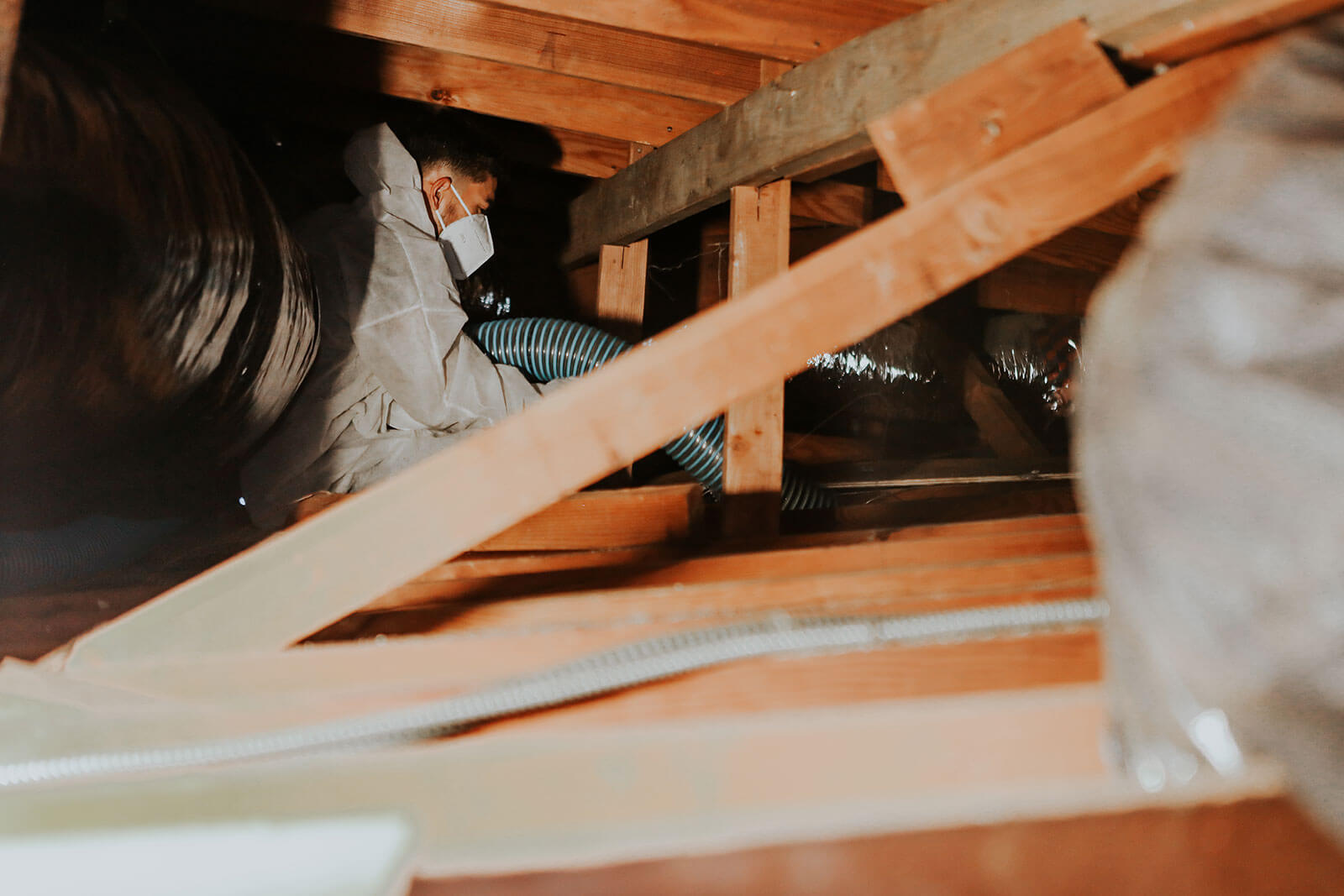
What to expect during exclusion work Exclusion is the part of the job that prevents a recurrence. It includes sealing holes, installing rodent-proof vents or screens, repairing door sweeps, and securing openings around pipes. Materials vary by application: stainless-steel mesh and sheet metal for chimney and vent projects, copper mesh and expanding foam for small gaps when combined with metal screening, and heavy-gauge steel wool for irregular openings.
Good technicians use durable materials. For instance, using expandable foam alone is a shortcut that rodents chew through. Combining silicone sealant and metal mesh where appropriate is a longer-lasting solution. Expect some cosmetic trade-offs; sealing often requires cutting drywall or replacing small sections of fascia. A reputable company will give you options and costs for cosmetic repair if you want the final finish restored.
Monitoring and follow-up: what good looks like After initial treatment and exclusion, monitoring is essential. A professional program usually includes scheduled follow-up visits every 7 to 14 days early in the process, then monthly checks once activity drops. The goal is to remove any remaining rodents, adjust traps and baits, and verify the integrity of exclusions.
For multi-unit buildings, monitoring often becomes an ongoing service with a regular monthly fee. This is common for property managers who prefer predictable budgets and fewer surprises. For single-family homes, many companies provide a 90-day period of active follow-up with an option to convert to ongoing service when desired.
Red flags when hiring a company Beware of firms that insist on using only rodenticide and refuse to discuss sealing or sanitation. Also be cautious of companies that promise immediate elimination after one visit without offering a plan for exclusion and follow-up. High-pressure sales tactics for expensive repairs without documentation of need or photo evidence are another warning sign.
Ask for references, check online reviews, and verify licensing when applicable. In Los Angeles County, pest operators who perform structural repairs may also need contractor licenses. Ask whether technicians are certified or have received rodent-specific training and whether the company carries liability insurance. If they hesitate to show proof, move on.
A brief checklist of questions to ask before hiring
What species do you believe I have and how did you determine that? What exactly is included in the price, and can you provide a written scope and timeline? How long is your warranty and what does it cover? Do you perform exclusion work and what materials do you use? Are your technicians certified and is the company insured?How neighborhood and property type change the strategy Tactics differ in an urban apartment building, a suburban tract home, and a commercial property. In apartments, the challenge is coordinating between units and the property manager to eliminate all entry points and attractants. In single-family homes, backyard fruit trees, bird feeders, and pet feeding habits often determine success. For restaurants and grocery stores, regulatory compliance and sensitivity to open food storage create special constraints. In agricultural and warehouse environments, rodent control often becomes a long-term integrated pest management program with regular monitoring, traps, and structural controls.
Common misconceptions and realities One myth is that ultrasonic repellents will solve infestations. Evidence for such devices is mixed at best; they might annoy rodents briefly but do not replace physical exclusion and trapping. Another misconception is that poisons are the fastest or cleanest solution. While baits can reduce numbers, they can also result in rodents dying in inaccessible places, producing odors and secondary sanitation costs.
A realistic expectation is this: a well-executed program reduces activity substantially within two to six weeks, but full confidence that the site is rodent-free requires monitoring and sometimes additional exclusion work.
When to call for an emergency Call a professional immediately if you discover Rodent Control Services in Los Angeles County Rodent Control Inc. rodents chewing electrical wiring that threatens fire risk, or if you find droppings in food preparation areas in a commercial setting, or if you see several rodents in daylight which can indicate a larger problem. For residential clients, continuous night-time activity and visible damage to insulation or wiring are grounds for expedited service.
Local specifics for Los Angeles County Los Angeles County’s climate means rodents are active year-round, with population spikes after rainy seasons when outdoor cover is reduced. Older neighborhoods with mature trees and fruit-bearing plants often see higher rodent pressure. Coastal areas with abundant vegetation can favor roof rats, while inland and industrial zones more often host Norway rats and mice. A local company will understand these patterns and recommend strategies tailored to your micro-environment.
Choosing between generalists and specialists General pest companies are fine for simple mouse issues in a single room. For larger problems that involve attics, crawlspaces, structural repairs, or commercial liability, choose a specialist. Specialists invest in training, better materials for exclusion, and systems for documentation and monitoring. They also understand local code requirements and can coordinate with building contractors when structural repairs intersect with pest work.
Final practical notes Keep food sealed, remove bird feeders at night if you have recurring problems, store trash in sealed containers, and avoid leaving pet food outdoors overnight. These steps reduce attractants and make professional treatments residential rodent services near me more effective. If you hire a company, insist on a written plan with photos and a clear warranty. Don’t be persuaded by a single, one-size-fits-all visit. Rodent control in Los Angeles County requires a measured program that combines trapping, targeted baiting, exclusion, and follow-up monitoring.
If you see the name Rodent Control Inc. Or a similar local firm, ask the same hard questions. Names and marketing matter less than the scope of work, the materials used, and the quality of follow-up. Good companies show you what they did and why, and they stand behind their work for the duration of the warranty. That is the difference between a temporary fix and a durable solution.